
ARTICLES
Oct 16, 2026
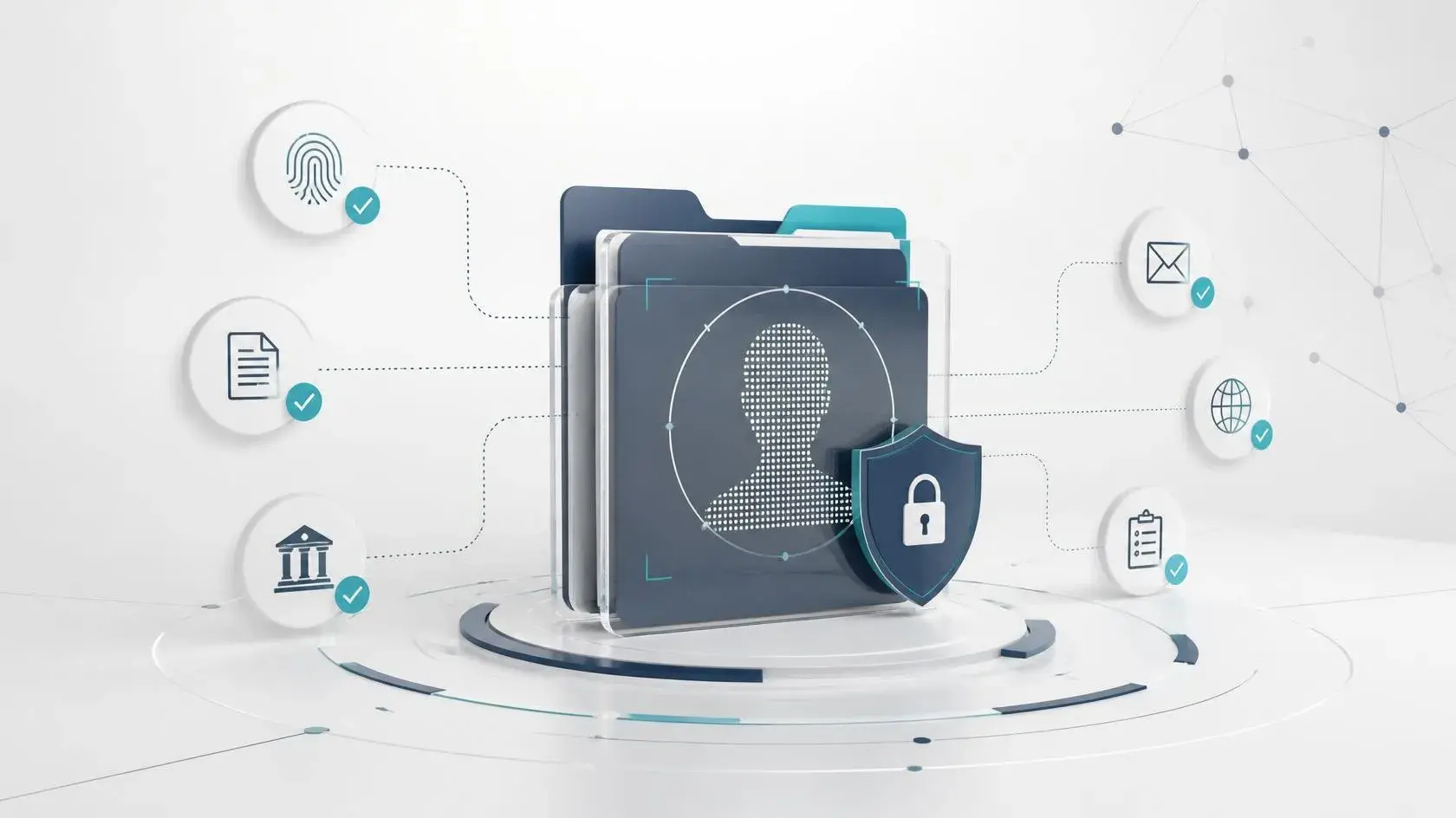
Digital Footprint & Self Due Diligence: How Forward-Looking Companies Audit Their Own Online Risk Profile
What Would an Investigator Find If They Looked You Up? Today, a significant amount of information about an organization can be found without ever contacting the company directly. News articles, public records, social media platforms, corporate filings, online reviews, and data breach records can all contribute to a picture of how a business is perceived. … Read more

Oct 14, 2026
Cross-Border Investigations: Navigating Multi-Jurisdiction Legal and Compliance Complexities
Introduction: When Risk Doesn’t Stop at the Border In today’s globalized economy, fraud, corruption, sanctions breaches, and regulatory violations often extend across multiple countries, making cross-border investigations increasingly critical for organizations. Businesses conducting international transactions must navigate complex legal frameworks, regulatory requirements, and data privacy laws across jurisdictions. Effective international fraud investigations combine forensic intelligence, … Read more

Oct 9, 2026
Vendor Risk Management vs. Third-Party Risk Assessment: Key Differences Explained
As organizations increasingly rely on external vendors, suppliers, consultants, technology providers, and outsourcing partners, managing third-party relationships has become a critical business priority. However, terms such as Vendor Risk Management (VRM) and Third-Party Risk Assessment (TPRA) are often used interchangeably, leading to confusion among business leaders, procurement teams, and compliance professionals.

Sept 25, 2026
Corporate Risk Advisory: How Proactive Risk Consulting Protects Long-Term Business Value
Today’s business environment is shaped by evolving regulations, geopolitical uncertainty, cyber threats, supply chain disruptions, and growing stakeholder expectations. In this landscape, waiting for risks to materialize before acting can lead to financial losses, operational disruption, and reputation damage.

Sept 22, 2026
What Is Risktech? How Compliance Technology Is Reshaping the Risk Management Landscape
Traditional compliance management relied heavily on manual reviews, spreadsheets, periodic audits, and fragmented reporting processes. However, as regulatory requirements become more complex and business operations grow increasingly digital, organisations are turning to Compliance Technology to improve efficiency, accuracy, and risk visibility. As a key component of the broader risktech ecosystem, compliance technology enables automated monitoring, real-time risk detection, streamlined reporting, and data-driven decision-making.

Sept 16, 2026
Sanctions Screening vs. Sanctions Compliance: Understanding the Difference
As sanctions regulations become increasingly complex, businesses need effective controls to identify and manage sanctions-related risks. While sanctions screening and sanctions compliance are closely linked, they serve different purposes. Understanding the difference is important because screening helps identify potential risks, while compliance provides the framework to manage them.

Sept 8, 2026
Ultimate Beneficial Owner (UBO): Why Verifying Beneficial Ownership Is Non-Negotiable
Understanding who ultimately owns or controls a business is a fundamental part of compliance and risk management. As corporate structures become increasingly complex, identifying the individuals behind an entity is not always straightforward. Businesses may operate through holding companies, trusts, nominees, or entities across multiple jurisdictions, making it difficult to determine who ultimately benefits from or exercises control over them.
Sept 3, 2026
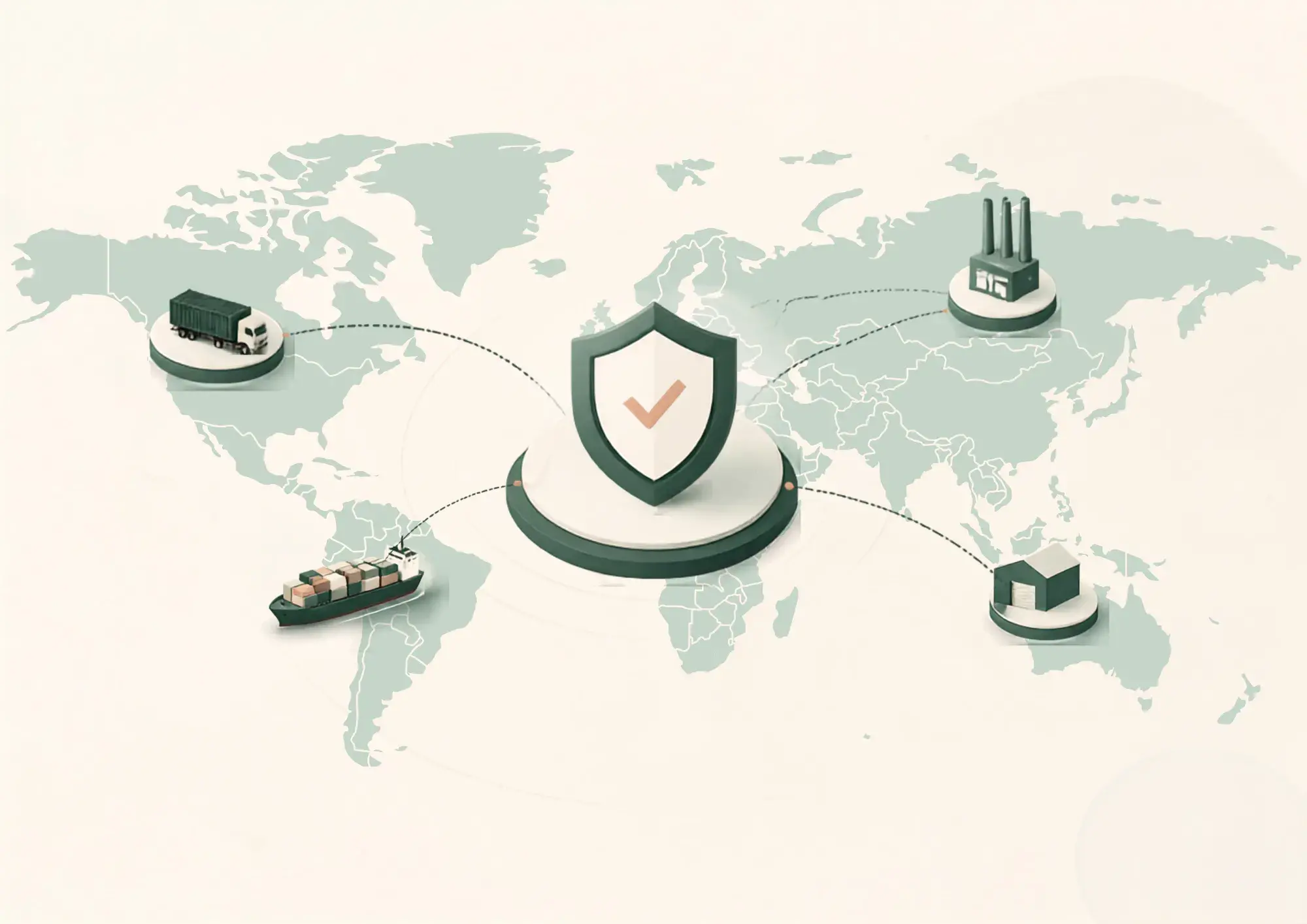
Supply Chain Due Diligence: How to Protect Your Business from Hidden Third-Party Risks
Modern businesses depend on an extensive network of suppliers, vendors, logistics providers, contractors, and service partners to operate efficiently and remain competitive. While these relationships create opportunities for growth and innovation, they also introduce hidden risks that can disrupt operations, damage reputations, and trigger regulatory scrutiny. As supply chains become increasingly global and interconnected, businesses must look beyond their direct operations and gain visibility into the risks that exist across their partner ecosystem.
Aug 18, 2026
AML Compliance 101: What Every Business Needs to Know About Anti-Money Laundering
In today’s increasingly complex financial environment, Anti-Money Laundering (AML) compliance is no longer just a regulatory requirement; it is a critical business necessity. Financial institutions face growing risks from sophisticated money laundering schemes, evolving regulations, and heightened scrutiny from regulators. Failing to maintain an effective AML program can lead to significant financial penalties, reputation damage, and loss of customer trust.
Aug 4, 2026
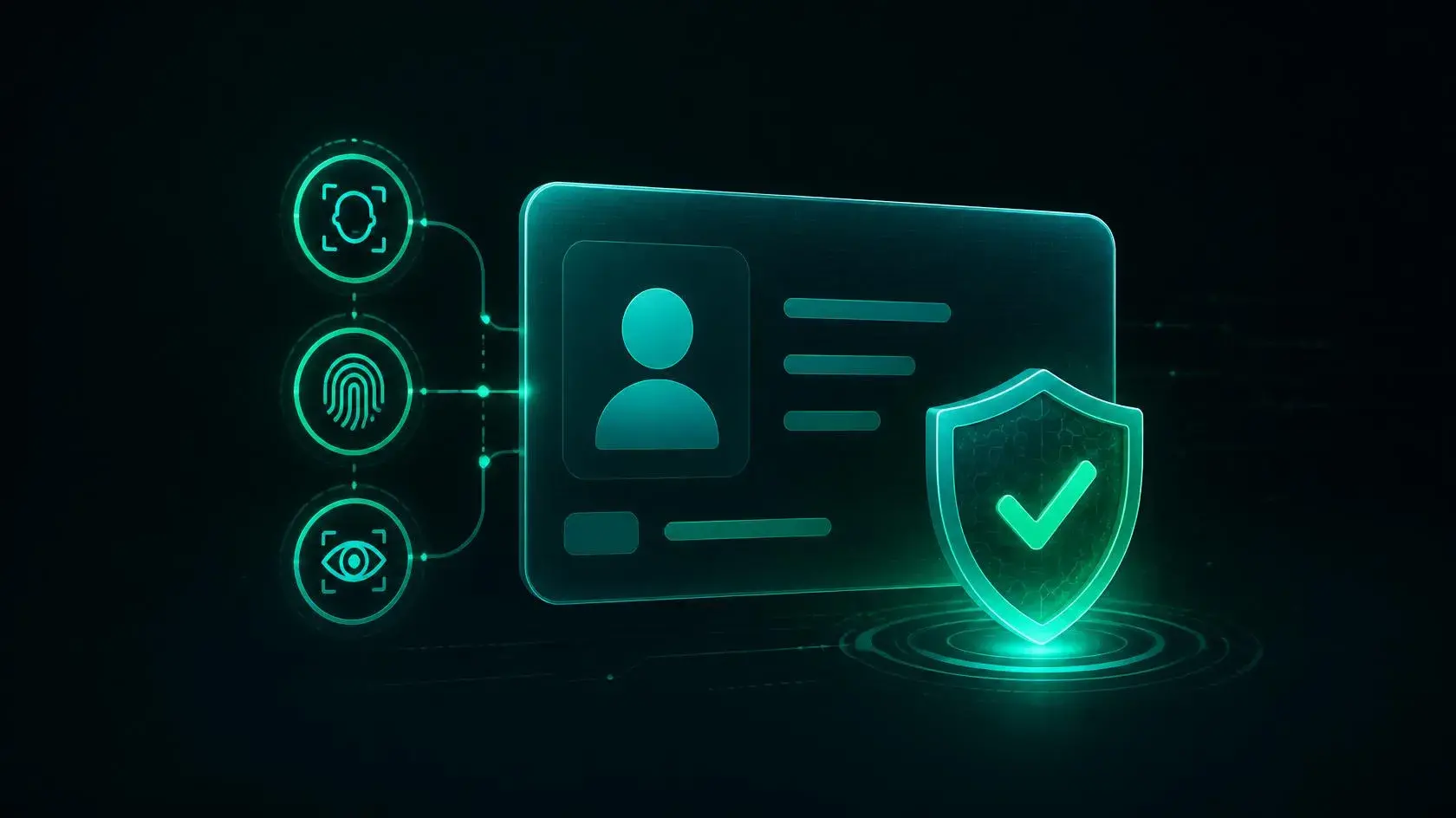
KYC Explained: What Is Know Your Customer and Why It Matters for Businesses
In today’s digital and interconnected business environment, Know Your Customer (KYC) has become the first line of defence against fraud, financial crime, and regulatory non-compliance. The Know Your Customer process helps businesses verify customer identities, assess potential risks, and establish trust before entering into a business relationship. This essential compliance practice enables organizations to detect suspicious activities, prevent money laundering, and protect their reputation. As regulations continue to evolve and customer first interactions shift online, implementation of a robust KYC system becomes essential.