
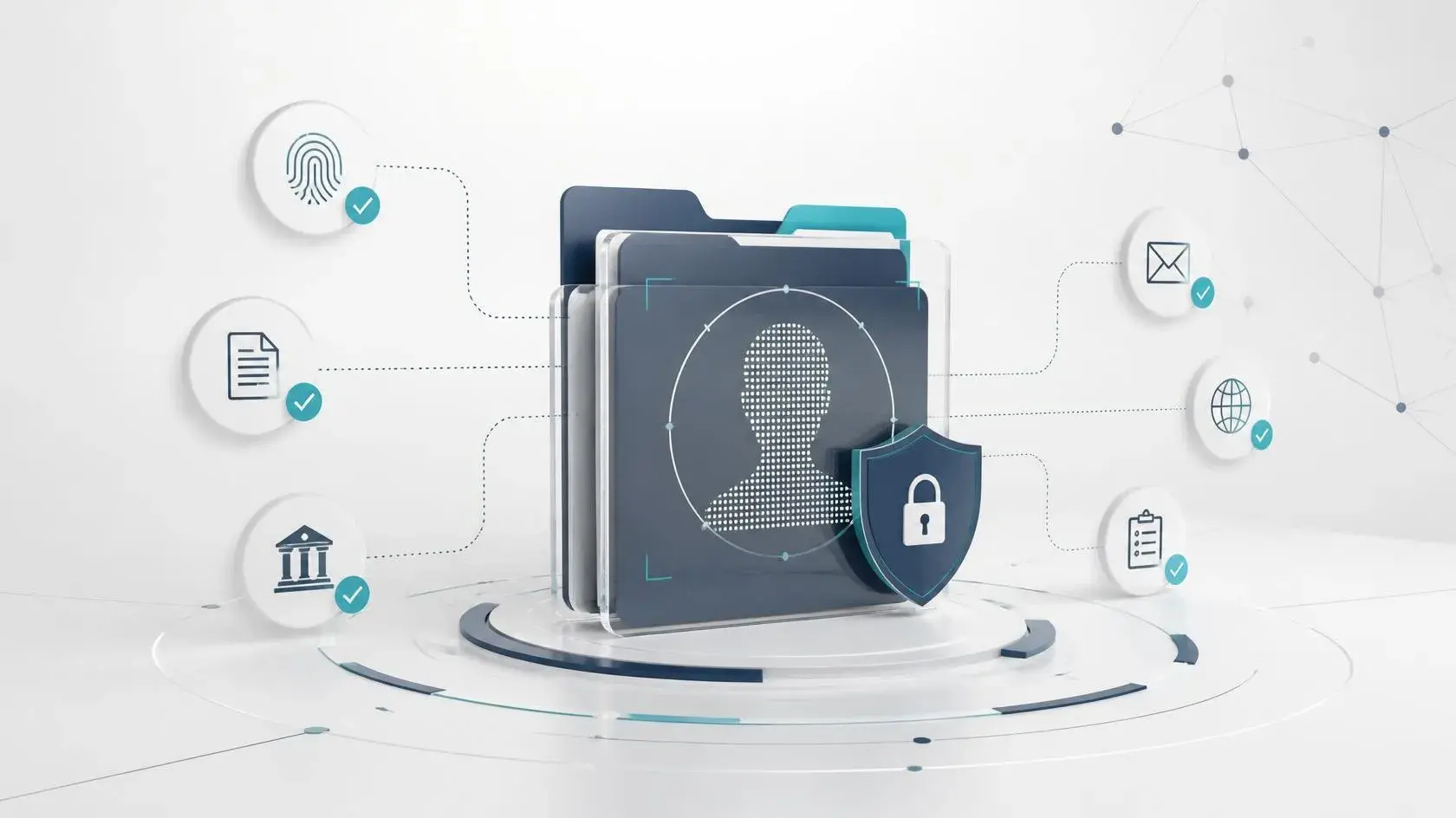
What Would an Investigator Find If They Looked You Up?
Today, a significant amount of information about an organization can be found without ever contacting the company directly. News articles, public records, social media platforms, corporate filings, online reviews, and data breach records can all contribute to a picture of how a business is perceived. Investors, regulators, customers, and business partners often review this information before making important decisions. A digital footprint and self due diligence audit help organizations evaluate their online presence, identify potential areas of concern, and gain a clearer understanding of the risks and perceptions that may influence important business decisions.
What Is a Digital Footprint?
A digital footprint refers to the trail of information created through an individual's or organization's online activities. It includes data generated through interactions on websites, social media platforms, online services, mobile applications, emails, and other digital channels.
Digital footprints can consist of information such as social media activity, browsing behaviour, online purchases, app usage, location data, publicly available records, and other digital interactions. As organizations and individuals increasingly operate online, digital footprints have become an important source of insight for risk assessments, investigations, due diligence, and reputation management.
Corporate Digital Footprint vs Individual Digital Footprint
While both represent traces of online activity, corporate and individual digital footprints differ in scope and purpose.
- Individual Digital Footprint refers to the information associated with a specific person, including social media activity, online content, public records, professional profiles, and other digital interactions.
- Corporate Digital Footprint refers to the digital presence of an organization, including corporate websites, social media accounts, regulatory filings, news coverage, public disclosures, employee-generated content, customer reviews, and other information available online.
What Is Self-Due Diligence?
Self-due diligence is the process of reviewing and assessing an organization’s own public profile, reputation, and risk exposure before it is evaluated by customers, investors, regulators, partners, or other stakeholders. It involves identifying information that is publicly available, understanding how the organization is portrayed online, and addressing potential issues before they become business risks. This process may include reviewing media coverage, regulatory records, corporate disclosures, online content, social media activity, and other publicly available information that could influence how the organization is perceived.
Why Companies Are Increasingly Auditing Their Own Online Presence
An organization's digital footprint is often one of the first sources of information consulted during due diligence, investigations, investment decisions, and business partnerships. As a result, companies are placing greater emphasis on understanding what information is available about them online.
Some of the key reasons include:
- Reputation Management – Identifying negative or outdated information that could affect stakeholder perceptions.
- Risk Identification – Detecting potential compliance, regulatory, or governance concerns before they are highlighted by third parties.
- Due Diligence Readiness – Understanding the information investors, customers, regulators, and business partners are likely to review.
- Information Accuracy – Ensuring publicly available information is current, consistent, and aligned with corporate disclosures.
- Crisis Preparedness – Identifying potential reputation vulnerabilities before they escalate into larger issues.
By regularly reviewing their digital footprint, organizations can gain greater visibility into potential risks and take proactive steps to strengthen their reputation and credibility.
What a Digital Footprint and Self Due Diligence Audit Covers
A digital footprint and self-due diligence audit provide a structured review of publicly available information that may influence how an organization, its leadership, and its stakeholders are perceived. The objective is to identify potential risks, reputation concerns, information gaps, and areas that may attract scrutiny during due diligence or investigations.
Adverse Media and Online Reputation Scan
This involves reviewing news articles, blogs, forums, and other publicly available sources to identify negative coverage, allegations, regulatory concerns, litigation references, or reputation issues associated with the organization. An adverse media review helps companies understand how they are portrayed online and whether any information could affect stakeholder confidence or future business opportunities.
Social Media and Public Record Exposure
Organizations should assess the information available across corporate social media channels, public databases, corporate filings, and other online sources. This helps identify outdated information, inconsistencies, unauthorized disclosures, or content that may create reputation or compliance concerns.
Executive and Leadership Digital Footprint
The online presence of directors, founders, senior management, and key personnel can influence perceptions of the organization. A review of leadership digital footprints may include public profiles, media mentions, board appointments, business affiliations, and other publicly available information. This helps organizations understand potential reputation risks that may arise from the activities or public profile of key decision-makers.
Data Leaks, Breaches and Dark Web Exposure
A self-due diligence audit may also include reviews for exposed credentials, leaked corporate information, compromised email addresses, and references to the organization on dark web forums or marketplaces. Identifying these risks early allows organizations to take corrective action, strengthen security controls, and reduce exposure to future cyber and reputation threats.
How to Conduct a Self-Due Diligence Audit: Step by Step
A self-due diligence audit helps organizations understand how they are perceived by external stakeholders and identify potential risks before they are highlighted by investors, customers, regulators, or business partners.
Step 1: Define the Scope, Company and Key Individuals
It begins by identifying what will be reviewed. This typically includes the organization, its subsidiaries, brands, directors, founders, senior executives, and other key individuals whose public profile may influence stakeholder perceptions. Clearly defining the scope helps ensure the review remains focused and relevant to the organization's objectives.
Step 2: Conduct Open Source and Adverse Media Research
The next step is to review publicly available information across news sources, websites, regulatory records, industry publications, blogs and social media platforms. The aim is to identify negative media coverage, regulatory concerns, litigation references, public allegations, or other information that could affect the organization’s reputation or risk profile.
Step 3: Assess Data Exposure and Breach History
Assess whether corporate or executive information has been exposed through data breaches, leaked credentials, compromised email accounts, or publicly accessible records. This step help organizations understand potential cybersecurity and information security risk that may require immediate attention.
Step 4: Benchmark Against Industry and Competitor Profiles
This step involves comparison of organization’s digital presence with the industry peers and competitors. This includes evaluating online visibility, media exposure, reputation risks, and publicly available corporate information. Benchmarking helps identify gaps, areas of concern, and opportunities to strengthen the organization’s public profile.
Step 5: Remediate and Monitor Ongoing Risk
The final step is to address any issues identified during the review and establish a process for ongoing monitoring. This may involve correcting inaccurate information, strengthening cybersecurity controls, improving public disclosures, managing reputation risks, or monitoring for new adverse developments as they emerge.
Why Self Due Diligence Matters Before Fundraising, IPOs or Partnerships
Investors, regulators, lenders, and potential business partners often conduct their own due diligence before making important decisions. As part of this process, they review an organization's digital footprint, public records, media coverage, leadership profiles, and potential risk indicators.
Conducting a self-due diligence audit before a fundraising round, IPO, acquisition, or strategic partnership allows organizations to identify and address potential concerns before they are discovered by others. This includes reviewing reputation risks, adverse media, data exposure, governance issues, and inconsistencies in publicly available information.
By understanding their own risk profile in advance, organizations can improve transparency, strengthen stakeholder confidence, and approach critical business events with greater preparedness.
Conclusion: Know Your Own Risk Profile Before Someone Else Does
Information about an organization is readily available through news articles, public records, social media, and other online sources. As a result, potential investors, customers, regulators, and business partners may begin forming opinions long before a formal due diligence process takes place.
By regularly reviewing their digital footprint and public profile, organizations can identify potential concerns early and act before they affect business opportunities or stakeholder confidence. In an increasingly transparent business environment, understanding how your organization is perceived is an important part of maintaining trust, credibility, and long-term business readiness.