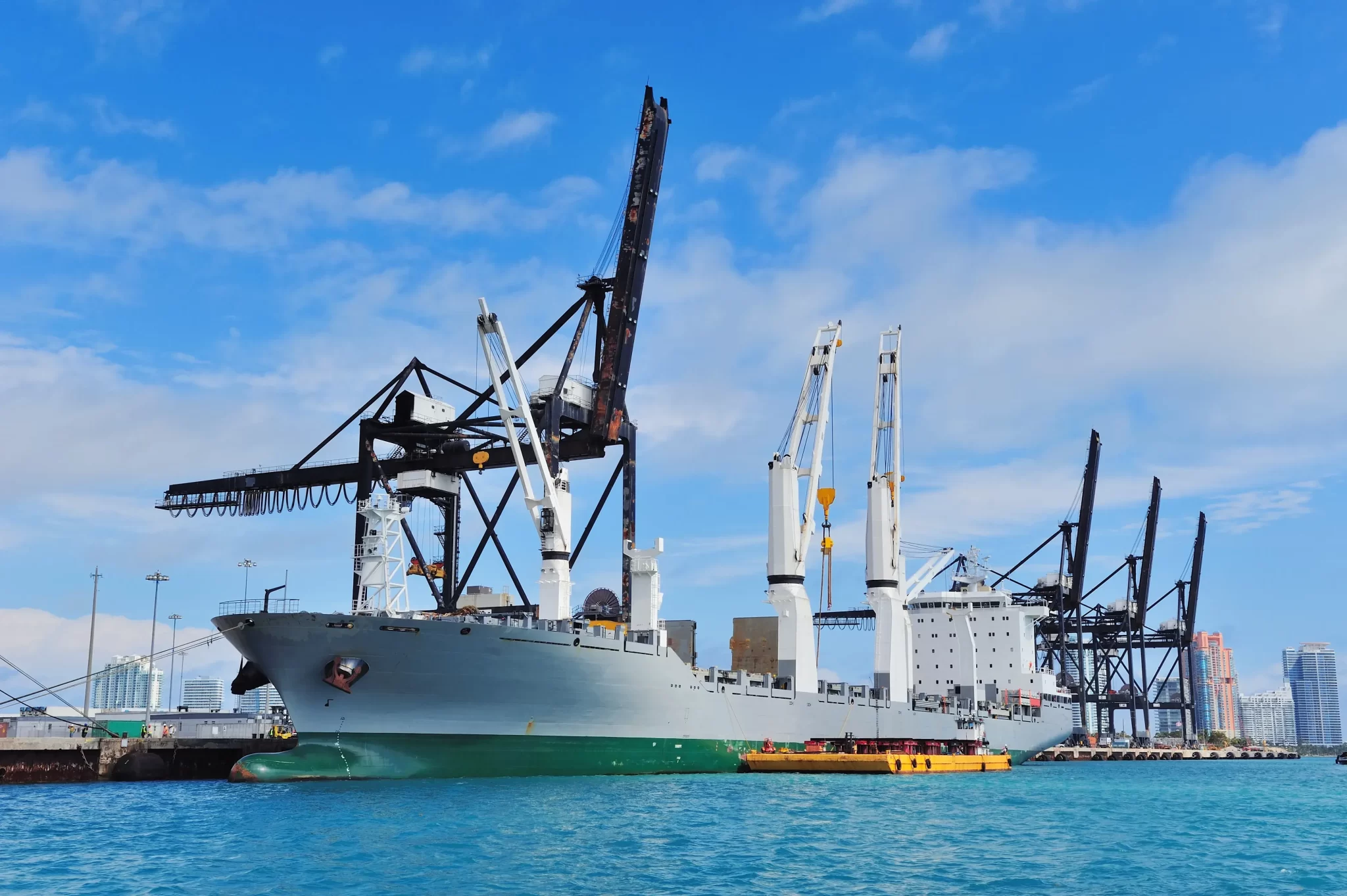
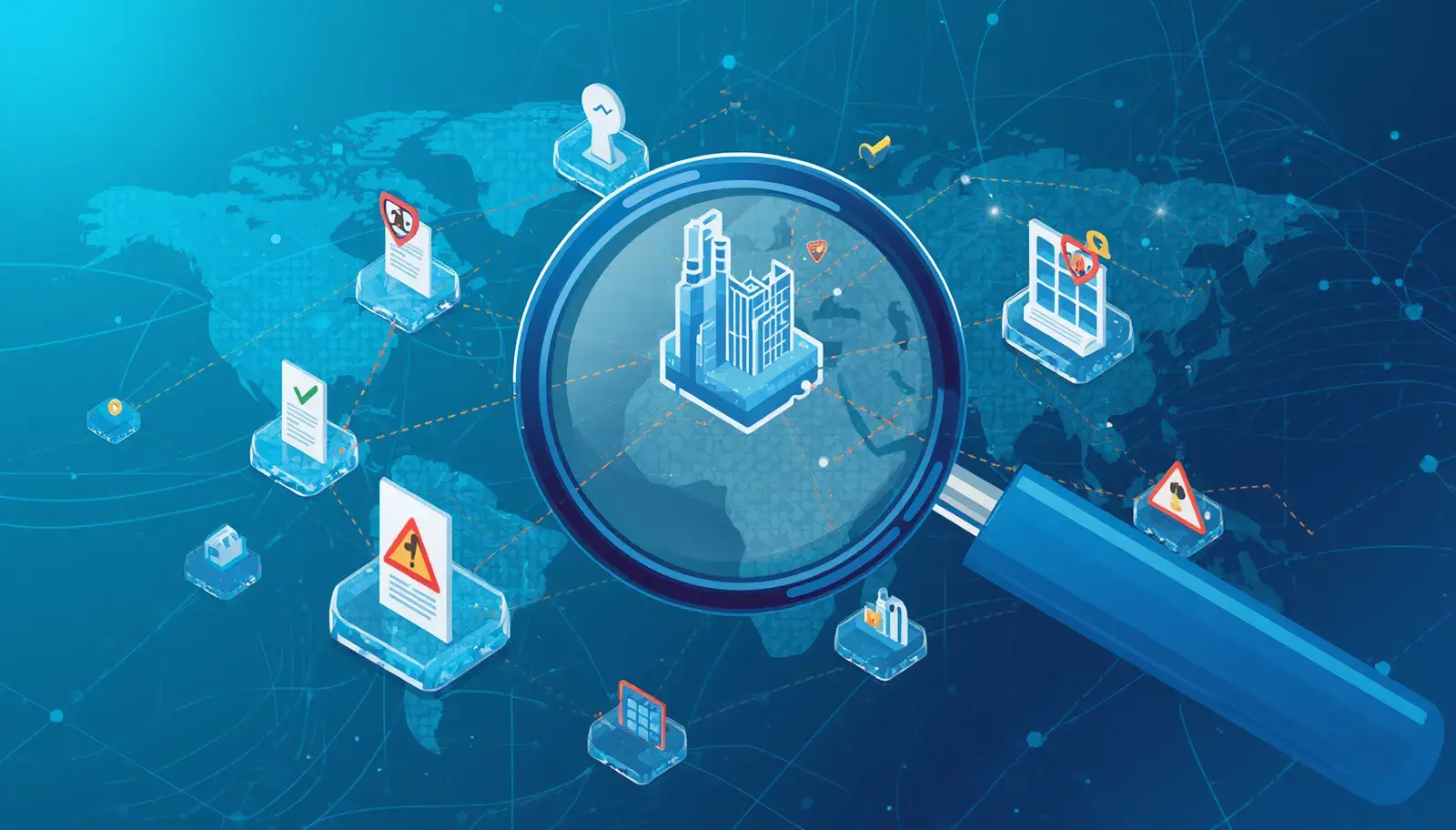
Supply chain risks have intensified for Indian businesses due to the ongoing West Asia crisis which includes a vital route for India’s energy imports, leading to repeated attacks on merchant shipping, raising fears of major disruptions to energy supplies. These disruptions have led to a decline in India’s export to the Middle East by ~US$3.5 billion in March.
India has called for building resilient supply chains with like-minded partners to ensure safe maritime transit. These geopolitical developments are highlighting hidden vulnerabilities in multi-tier supply chains, including potential fuel price spikes, inflation, and economic instability. Traditional due diligence, focused mainly on Tier-1 suppliers, is no longer enough to address these emerging threats.
Changing Nature of the Supply Chain Risks
Supply chain risks are no longer limited to isolated issues such as supplier delays or transportation bottlenecks. They are increasingly interconnected and can affect entire multi-tier networks at once. As chains grow longer and rely more on subcontractors, risks are becoming harder to detect.
Supply chains have shifted from visible operational risks like price, delivery delays, to invisible high-impact risks such as reputation damage, legal liabilities, regulatory violations and integrity concerns. Digitalisation and the growing use of AI are increasing the exposure to cybersecurity risks, data integrity issues, and system failures across suppliers. Emerging AI-related risks, such as a lack of transparency and algorithmic bias, are also creating new vulnerabilities.
Major Hidden Risks in the Supply Chain and Why Traditional Due Diligence Falls Short
While companies often focus on operational risks, several critical threats remain hidden deep within multi-tier supply chains:
- Geopolitical & Disruption Risks: Supplier risks can change rapidly due to new regulations or global disruptions such as conflicts, trade wars, sanctions, and shifting alliances, which can suddenly disrupt supply chains.
- Sub-Tier Suppliers: Many companies assess only Tier 1 suppliers. However, significant risks often exist in Tier 2 and Tier 3 suppliers, which usually remain invisible in standard onboarding processes.
- Financial Distress: A supplier may appear stable at the time of onboarding but can later face liquidity problems or hidden debts, disrupting supply continuity with little warning.
- Fraud and Financial Risks: Common issues include invoice manipulation, duplicate billing, truck/cargo diversion, counterfeit substitution, product pilferage, and falsified quality certificates.
Traditional due diligence in supply chain management often relies on static, one-time, and top-tier assessments. These approaches cannot keep pace with the fragmented, dynamic, and global nature of modern supply chains. While they are effective for initial screening, they fail to provide continuous visibility into deeper-tier risks. To address these gaps, organisations need to move towards a more comprehensive integrity-based due diligence that enables ongoing monitoring and deeper risk insights.
Integrity Due Diligence Helps Mitigate These Risks
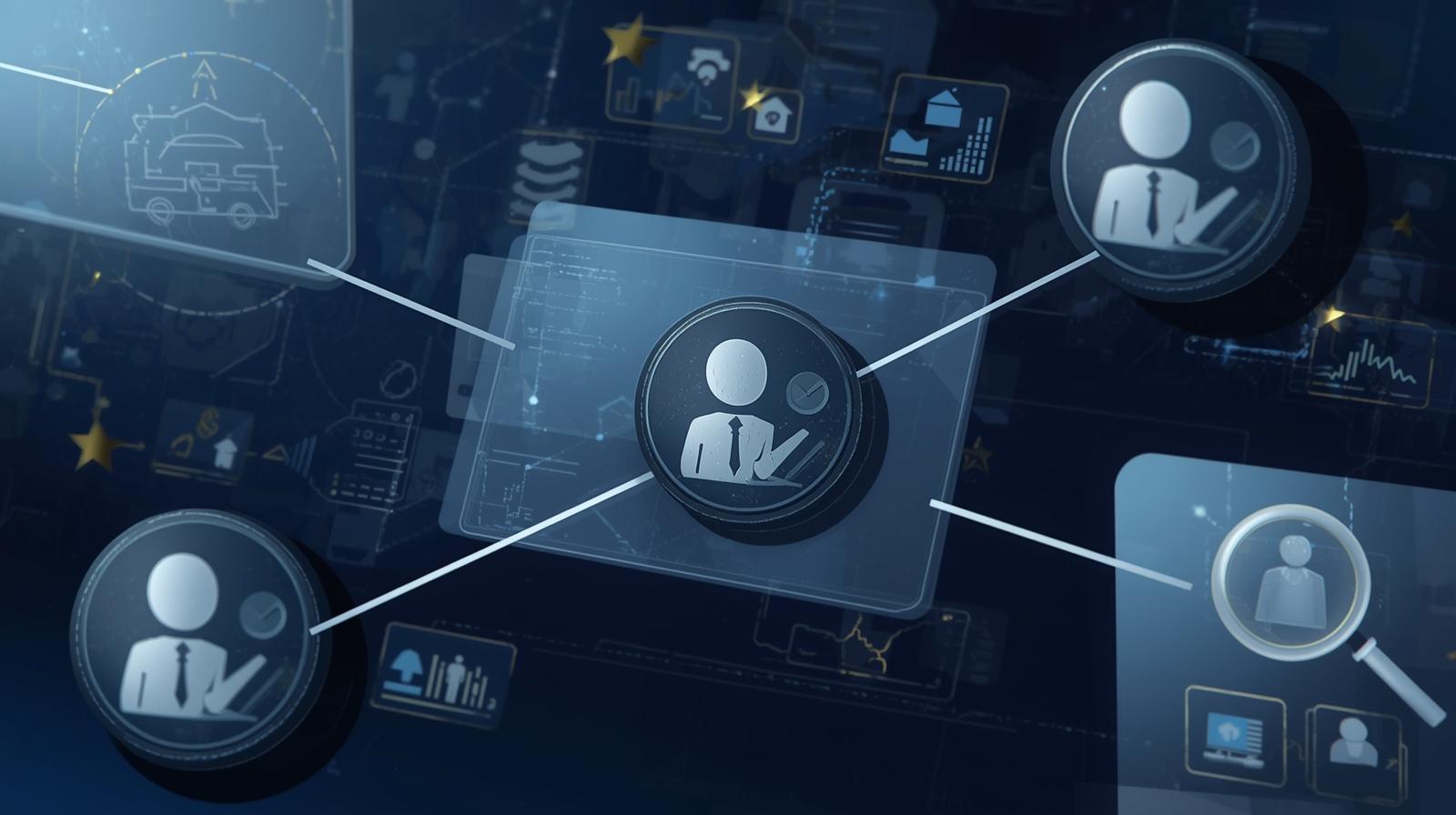
Integrity Due Diligence (IDD) is a comprehensive approach that helps uncover hidden structural, operational, and integrity-related risks within a supplier’s ecosystem. It goes beyond traditional due diligence, which typically focuses on financials, legal compliance, and Tier 1 suppliers.
IDD examines the broader supplier network, including Tier 2 and Tier 3 suppliers, through detailed multi-tier supply chain mapping. It also involves thorough verification of ultimate beneficial owners (UBOs), politically exposed persons (PEPs), sanctioned entities, and key control individuals. Unlike traditional methods that rely on one-time assessments, IDD is an ongoing process.
Continuous monitoring enables early identification of potential risks, allowing organizations to address issues before they escalate.
Discover our Integrity Due Diligence services to better manage supply chain risks.
Conclusion
In today’s environment, robust integrity due diligence is not just a compliance requirement but a strategic necessity for long-term resilience and sustainable growth. As the supply chain becomes more complex, the cost of ignoring hidden risks continues to rise.
Integrity Due Diligence offers a deeper, smarter, and more proactive solution, enabling companies to identify risks across multiple tiers and respond effectively before issues escalate.
Connect with us to uncover hidden risks in your supply chain and build a more resilient, future-ready ecosystem.