
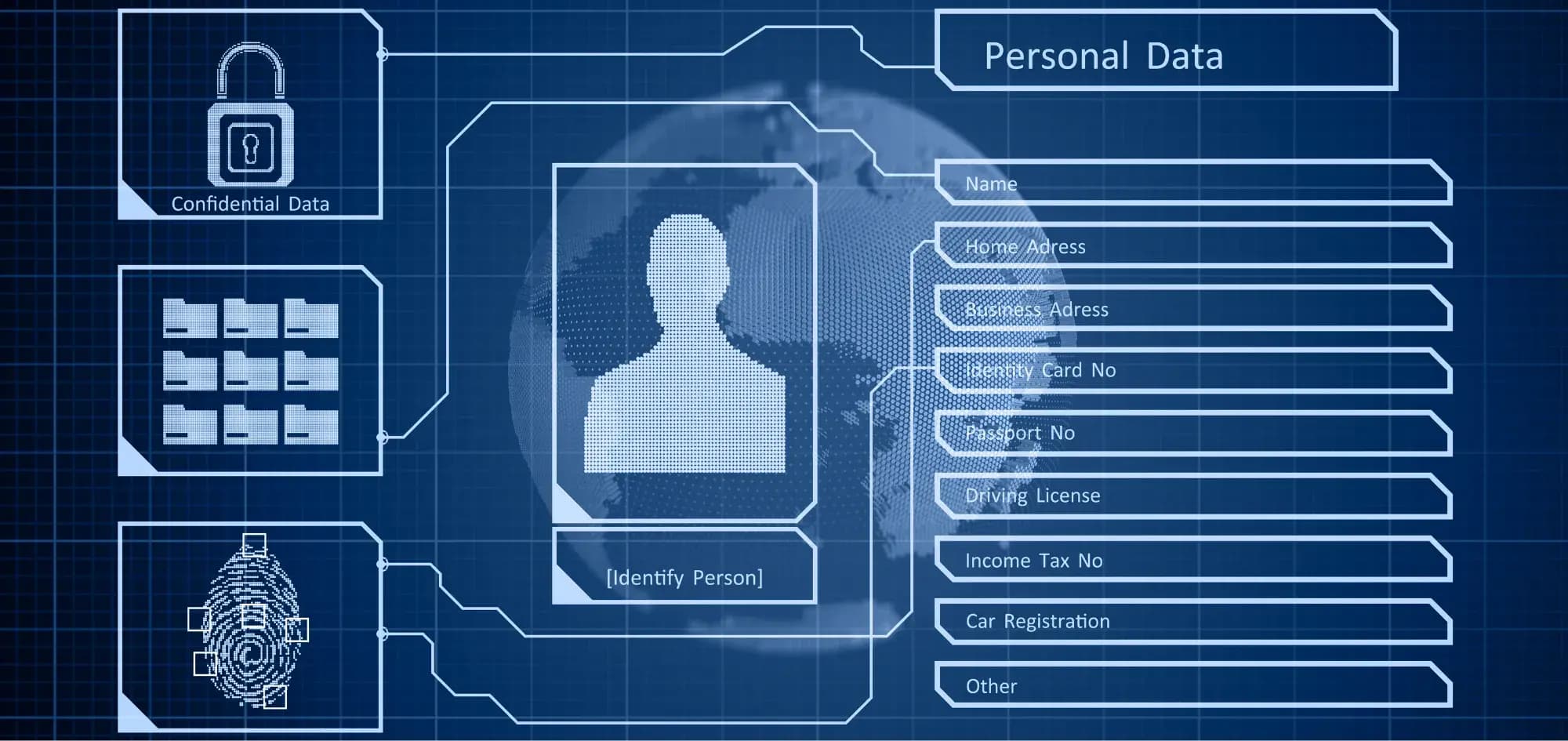
Employment related frauds have surged significantly with the rapid evolution of technology. This is validated by most studies and reports. A report by Data Security Council of India (DSCI), revealed that nearly 60% frauds in the IT and BFSI sector involved impersonation of employees or clients. Employment related fraud spans industries undermining overall organizational trust. To address these risks, organizations do recognize the importance of conducting in-depth screening of candidates but may not be as strict as needed as this process is seen as a cost.
Validating Credentials Through Verification Checks
As part of the hiring process, companies conduct background verification to validate the information provided by job applicants. This typically includes checking personal details, educational qualifications, employment history, and professional references listed on resume. Failing to verify a candidate’s background can lead to serious consequences.
Identity verification confirms the authenticity of a candidate’s personal details, while employment and education checks validate experience and qualifications. Reference checks offer insights into a candidate’s behaviour and performance in previous roles.
Together, these checks support more informed hiring decisions, but they only confirm disclosed information and may miss other critical risks. They may overlook past misconduct, conflicts of interest, or reputation issues. Organizations must perform deeper checks to mitigate hidden risks as these filter candidates who may not align with their requirements, culture, or ethical standards.
Examining Hidden Risks: A Deeper Screening Evaluation
Screening is a meticulous process that involves investigating and verifying details beyond what’s listed on a resume. Its goal is to uncover hidden information that could affect the organization in the long run. It is an in-depth process that evaluates professionals across several key areas. This includes criminal history checks, which involves reviewing any past convictions or charges and are usually identified in comprehensive litigation checks only.
Verifying employment history is also essential to confirm the accuracy of a candidate’s resume. For roles in the financial sector, credit history checks help ensure financial responsibility and stability. To understand a candidate’s behaviour beyond what’s on their resume, social media screening can also be used.
Why screening is important
Although verification might suffice for entry-level/low-risk jobs, screening becomes indispensable while hiring for senior professionals as they have access to critical company information and influence strategic decisions. Therefore, it is essential to ensure they:
- are trustworthy and honest, maintaining ethical leadership.
- have a strong track record of integrity and responsible decision-making.
- do not have any history of fraud, false credentials, or criminal activity.
Neglecting this process for leadership roles can lead to reputation damage, financial losses from poor decision-making, and legal liabilities that threaten business stability. Additionally, inadequate screening may result in operational inefficiencies, impacting sustainable growth and organizational trust.
Conclusion
Background screening is more than a formality; it is a strategic tool that helps protect integrity and reputation. By leveraging the right screening methods, staying compliant with legal requirements, and promoting fair hiring practices, you can build a team that’s not only qualified but also aligned with your company’s values and culture.